Indonesia deploys thousands of African bugs to boost palm output

Indonesia deploys thousands of African bugs to boost palm output
Filepix by Reuters

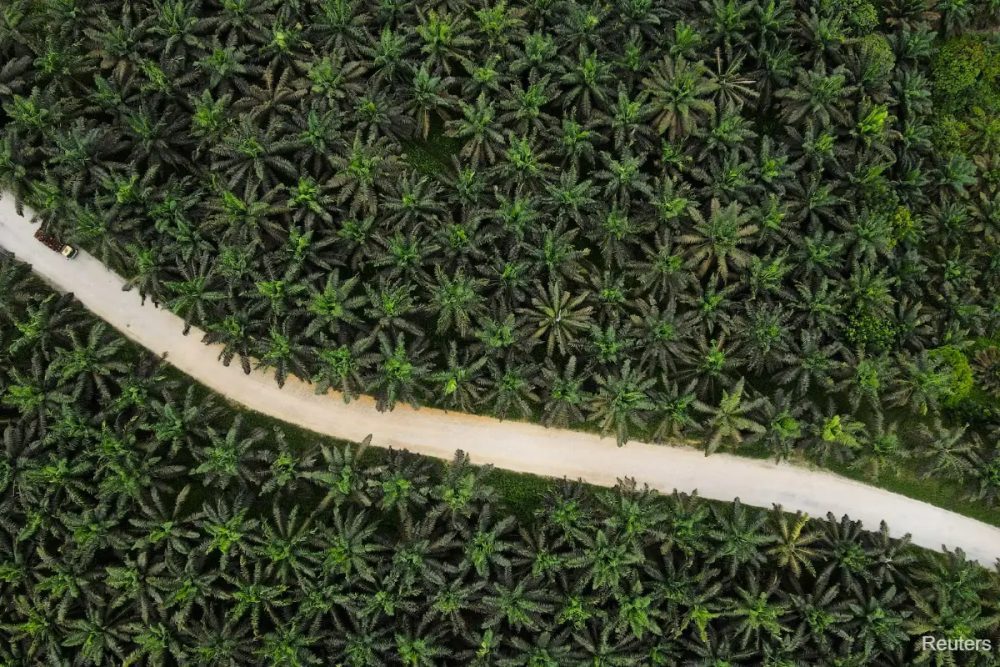
(April 10): Thousands of tiny bugs from Africa have been released at an Indonesian palm oil plantation in North Sumatra as the world’s biggest grower seeks to revive output growth after years of stalling production.


The release of about 7,000 African weevils at a plantation owned by state-run PT Perkebunan Nusantara IV on Thursday marks the first step of a broad plan to introduce around one million of the bugs across Indonesia. The hope is they will help to improve pollination and fruit development, lifting production.


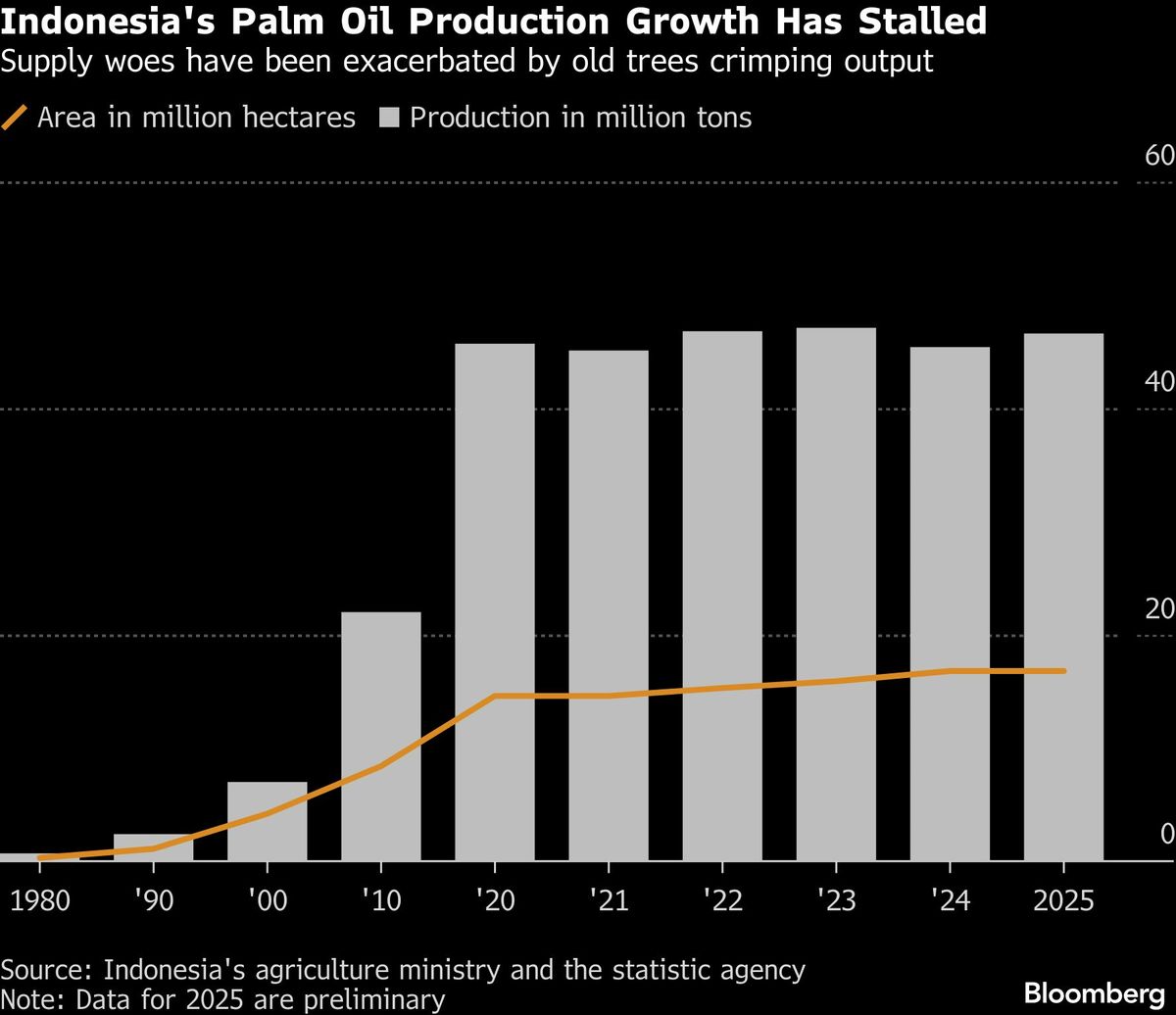
Indonesia’s output growth has stalled in recent years, primarily due to old trees that some growers are reluctant to replant due to the extended time it takes for them to fruit. While the insect release doesn’t address the underlying issue of ageing plants, a similar weevil programme on a smaller scale in the 1980s led to a significant improvement in production rates across the country.


Around 6,000 weevils were collected from Tanzania early last year and sent to a scientific facility in North Sumatra for tests, including on how they interact with local insects, and to reproduce in vast numbers. Palm oil is native to Africa, making the Tanzanian bugs well suited for the role. 


The first batch of weevils released at the 8,000-hectare plantation near the scientific facility are expected to have an impact on production within about 10 to 12 months, said Agus Eko Prasetyo, a researcher from the Indonesian Oil Palm Research Institute, who is leading the programme.

More than two dozen other companies and smallholder groups that are involved in the initiative will be allocated weevils for their plantations in stages, with the next release expected next week, Prasetyo added. Some bigger producers that have their own laboratories are expected to reproduce the bugs, he said.


“This is just the beginning,” Prasetyo said.


Indonesia is seeking to expand its biofuel programme, meaning more palm oil diverted to local supply rather than for export, and the initiative is gaining momentum after the war in the Middle East led to skyrocketing energy prices. The production of fresh fruit-bunches is expected to increase by 10% to 15% with the introduction of the weevils, said Eddy Martono, chairman of the Indonesian Palm Oil Association known as Gapki.


Still, improved pollination alone won’t resolve all of Indonesia’s production challenges. Fertiliser use, weather conditions and plantation management practices also play a critical role in determining yields, while replanting older trees remains essential for sustaining long-term growth.


Uploaded by Chng Shear Lane