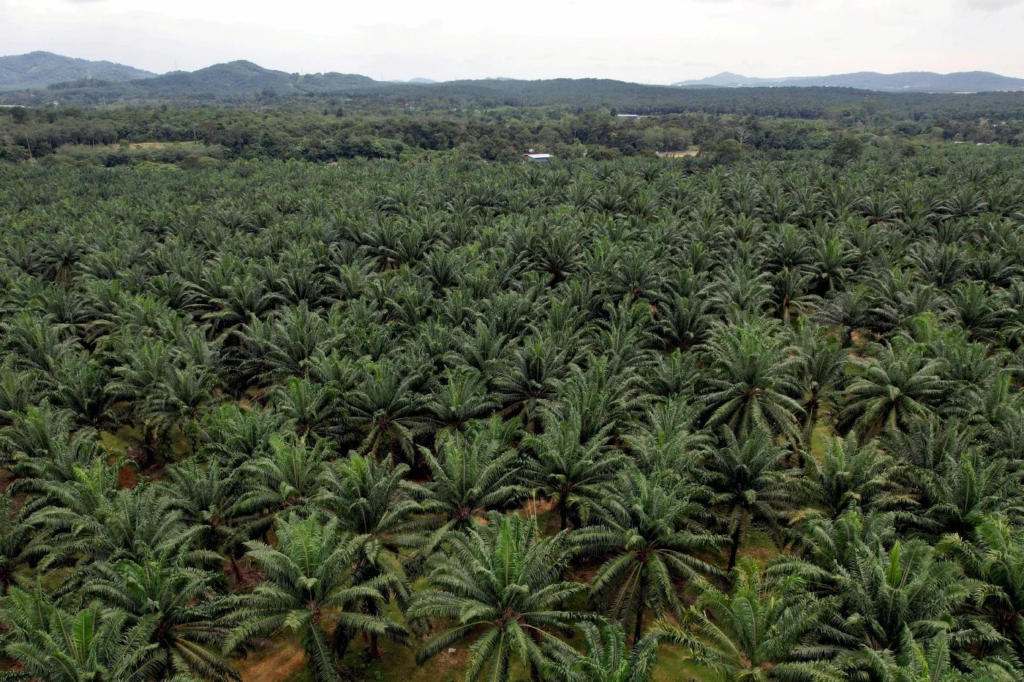
KUALA LUMPUR: Crude palm oil prices are expected to remain steady at around RM4,400 per tonne in June, as global biofuel policies continue to strengthen demand for vegetable oils.
The Malaysian Palm Oil Board (MPOB) said Malaysia’s palm oil inventories edged up marginally to 2.31 million tonnes in April, driven by a seasonal increase in output.
Palm oil production typically rises between March and October as drier weather conditions improve harvesting productivity and boost oil extraction rates from fresh fruit bunches.
Malaysia’s cumulative palm oil exports climbed 25.5 per cent, or 1.1 million tonnes, to 5.38 million tonnes in the first four months of 2026, the highest level recorded since 2019. However, exports fell 14.3 per cent month-on-month in April to 1.3 million tonnes. Despite the monthly decline, exports remained firm, accounting for 80 per cent of Malaysia’s palm oil production during the month.
In the global vegetable oil market, soybean oil prices in Europe surged to their highest level since November 2022 in mid-May, making it the most expensive major vegetable oil, supported by demand from the US biofuel sector. Soybean oil was trading at a premium of US$145 per tonne over rapeseed oil, US$110 per tonne over palm oil and US$45 per tonne above sunflower oil, making it the most expensive major vegetable oil globally.
According to MPOB, recent developments in the US biofuel industry have improved palm oil’s price competitiveness in key export markets.
“Palm oil remains the most competitively priced vegetable oil in India, while palm olein prices in Malaysia were also trading at a marginal discount to Argentine soybean oil, a pricing dynamic that should continue to support palm oil demand,” MPOB said in a statement.
In the first quarter of 2026 (Q1 FY26), combined palm oil exports from Malaysia, Indonesia and Thailand rose by 1.9 million tonnes.
However, MPOB expects the trend to reverse between April and September, with industry analyst Oil World projecting combined exports from the three countries to decline by two million tonnes in Q2 and Q3, mainly due to lower Indonesian exports.
Malaysia’s palm oil exports are projected to rise by 400,000 tonnes during the period, while Indonesia’s exports are forecast to decline by 1.7 million tonnes as more palm oil is redirected towards domestic energy use.
As a result, a sharp build-up in palm oil stocks is unlikely during the upcoming peak production season in Southeast Asia, MPOB said.
MPOB also noted that vegetable oil prices still have room to trend higher, arguing that the recent correction was likely driven by funds and speculators taking profits.
“Supply risks also remain due to unresolved geopolitical tensions and rising El Niño risk, which could add uncertainty to global vegetable oil supply in the upcoming season,” MPOB said.
El Niño conditions, which typically bring drier weather to Southeast Asia and reduce rainfall and soil moisture levels, could disrupt agricultural supply across the region, it said.
The Malaysian Meteorological Department expects El Niño conditions to emerge between June and July, potentially persisting into early 2027.